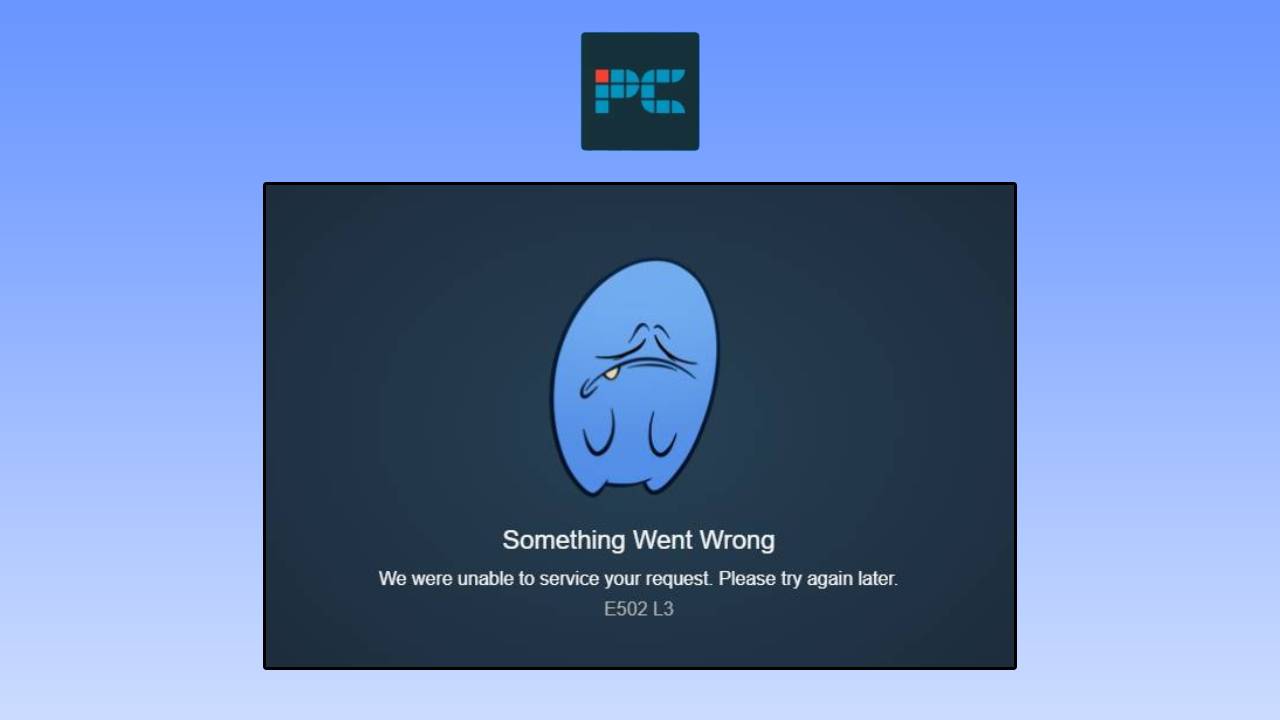
There are few things more frustrating for a dedicated PC gamer than sitting down, ready to dive into your favorite title, only to be met by an impenetrable error message on Steam. Among these digital roadblocks, Steam Error E502 L3 stands out as particularly perplexing. It can appear without warning, halting your login attempts, stopping store browsing in its tracks, or even freezing game downloads. This cryptic error leaves many wondering: is it my internet, my computer, or is Steam itself having a bad day?
The good news is that Steam Error E502 L3 is rarely a sign of a serious problem with your personal setup. More often than not, it points to a hiccup in Steam's vast server network or a temporary communication breakdown. Before you embark on a deep dive into your network settings or reinstalling Steam, there's one crucial first step that can save you a lot of time and headache: checking Steam's server status. Understanding what this error means and how to systematically address it, starting with server status, is key to getting back to your games as quickly as possible.
What Exactly Is Steam Error E502 L3? Understanding the Bad Gateway
At its core, Steam Error E502 L3 is a server communication issue. The "E502" component is a standard HTTP status code, widely recognized across the internet as a "Bad Gateway" error. This means that one server, acting as a gateway or proxy, received an invalid response from another server that it was trying to access upstream. In simpler terms, your Steam client tried to talk to Steam's backend servers, and those backend servers didn't provide a proper, expected response.
The "L3" tag often signifies the specific layer or component within Steam's complex server infrastructure where this communication breakdown occurred. While the exact meaning of "L3" isn't publicly detailed by Valve, it consistently points to an issue on Steam's side rather than directly with your client application.
This error commonly manifests when you are:
- Attempting to log into Steam.
- Trying to access the Steam Store to browse or make purchases.
- Downloading or updating games, causing the process to stall.
- Navigating to Community pages or other integrated Steam services.
While it might look alarming, remember that this error is frequently temporary and self-resolving, especially if the problem lies with Steam's servers.
Why Does Steam Error E502 L3 Occur? Pinpointing the Common Culprits
There isn't a single universal cause for the Steam Error E502 L3. Instead, it typically arises from a constellation of technical issues, most of which revolve around the communication between your client and Steam's servers. Understanding these reasons will help you diagnose and fix the problem more efficiently.
Steam Server Overload: The Rush Hour Phenomenon
The most frequent reason behind an E502 L3 error is sheer volume. Steam is an incredibly popular platform, and during peak times, its servers can become overwhelmed. This commonly happens during:
- Major Seasonal Sales: Think the Steam Summer Sale, Winter Sale, or Autumn Sale, which see millions of users simultaneously browsing, wishlisting, and purchasing games.
- Large Game Releases: The launch day of a highly anticipated title can drive unprecedented traffic as players rush to download and play.
- Limited-Time Promotions or Free Weekends: These events can cause sudden, massive spikes in server requests.
When the number of simultaneous requests exceeds server capacity, some users will inevitably encounter communication errors like E502 L3. This explains why such issues often resolve themselves after a short wait (10-30 minutes), as traffic subsides or Valve's systems adapt. For a deeper dive into how server capacity impacts your gaming experience, you might find Why Steam Error E502 L3 Happens: Server Overload Explained particularly insightful.
Scheduled and Unscheduled Server Maintenance
Like any massive online service, Valve regularly performs maintenance on its backend infrastructure. These periods, whether scheduled or in response to an unforeseen issue, can temporarily render specific services – like the Steam Store, login servers, or payment gateways – unavailable. If you encounter the Steam Error E502 L3 during a known maintenance window, the problem is almost certainly on Steam's end, and patience is your best solution.
Local Network Connectivity Problems
While often a server-side issue, sometimes the root of the E502 L3 error can be closer to home: your own internet connection. An unstable or intermittent network can disrupt the communication flow between your PC and Steam's servers. Common culprits include:
- Weak or Fluctuating Wi-Fi Signals: Physical obstructions or distance from your router can cause signal degradation.
- Router or Modem Glitches: Like any electronic device, routers can benefit from a simple reboot.
- ISP Routing Issues: Your Internet Service Provider (ISP) might be experiencing temporary routing problems that affect your connection to specific services like Steam.
- Packet Loss: Data packets failing to reach their destination can lead to incomplete server responses.
Even brief interruptions in connectivity can trigger a 502 error, as your client fails to get a valid response from the Steam servers it's trying to reach.
The First and Most Crucial Step: Checking Steam Server Status
Given that Steam Error E502 L3 frequently originates from Steam's own servers, the very first and most logical step in troubleshooting is to confirm their operational status. Before you restart your computer, fiddle with your router, or dive into complex network settings, take a moment to see if the problem is universal.
How to Check Steam's Server Status
There are several reliable ways to check if Steam's servers are experiencing issues:
- Official Steam Status Page: While Valve doesn't provide a single, comprehensive public-facing status page for all services, community-driven sites often aggregate data directly from Steam's API. A quick web search for "Steam server status" will usually lead you to reliable third-party trackers.
- Third-Party Status Trackers: Websites like DownDetector, Steamstat.us, or SteamDB's status page are excellent resources. These sites collect real-time data and user reports, indicating widespread outages for specific Steam components (e.g., Store, Community, Login services, Game Coordinators).
- Social Media: Check official Steam or Valve social media channels (e.g., Twitter). If there's a major outage, they often post updates. You can also search for recent posts from other users complaining about similar issues, which can confirm a widespread problem.
What to Do When Steam Servers Are Down
If any of these sources indicate that Steam's servers are experiencing outages, especially for the Store, Login, or Community services, then the solution is simple: wait. There's nothing you can do on your end to resolve a server-side issue. Valve's engineers will be actively working to restore services, and the error will disappear automatically once they succeed. This period of waiting is an ideal time to step away, grab a drink, or tackle other tasks.
Beyond Server Status: Other Troubleshooting Steps for Steam Error E502 L3
If you've checked and confirmed that Steam's servers are operational, then the issue might indeed be on your end, albeit still likely related to connectivity. Here are some actionable steps you can take:
1. Restart Your Network Hardware
A classic for a reason. Power cycling your router and modem can resolve many temporary network glitches by refreshing your connection and clearing cached data. How to: Unplug your modem and router from their power sources. Wait for at least 30 seconds. Plug the modem back in and wait for it to fully boot (lights stable). Then, plug in your router and wait for it to boot. Try Steam again.
2. Clear Steam's Download Cache
Corrupted or outdated cached data within Steam can sometimes lead to communication errors. Clearing this cache forces Steam to re-download necessary information. How to: Open Steam, go to Steam > Settings > Downloads, and click on "Clear Download Cache." You will need to log back into Steam after this.
3. Flush DNS Cache and Renew IP
Your computer stores a cache of DNS (Domain Name System) lookups, which translate website names into IP addresses. A corrupted DNS cache can prevent you from connecting to Steam's servers correctly.
How to: Open Command Prompt as an administrator. Type ipconfig /flushdns and press Enter. Then type ipconfig /release and press Enter, followed by ipconfig /renew and Enter. Restart your computer for good measure. For more on resolving connection issues, refer to Steam Error E502 L3: Is It Steam's Servers or Your Network?
4. Disable VPNs or Proxy Servers
If you're using a VPN or proxy, it could be routing your connection through a server that's experiencing issues or conflicting with Steam's network. Temporarily disabling it can help isolate the problem. How to: Turn off your VPN software or proxy settings and try accessing Steam directly.
5. Adjust Firewall and Antivirus Settings
Sometimes, overly aggressive firewall or antivirus software can block Steam's connection to its servers, mistaking legitimate traffic for a threat.
How to: Temporarily disable your firewall or antivirus and try accessing Steam. If the error resolves, you'll need to add Steam and its related executables (steam.exe, SteamService.exe, etc.) as exceptions in your security software settings.
6. Try a Different Internet Connection (Mobile Hotspot)
As a diagnostic step, if possible, try connecting your PC to a different internet source, such as a mobile hotspot. If Steam works perfectly on the new connection, it strongly suggests an issue with your primary home network or ISP.
Conclusion: Patience and Process Are Your Allies
Encountering Steam Error E502 L3 can certainly interrupt your gaming plans, but it's important to approach it systematically. By far, the most common culprit is an issue with Steam's own servers, particularly during high-traffic events or maintenance. Therefore, your first and most effective step should always be to check Steam's server status. If the servers are down, patience is truly the only remedy.
Should Steam's servers appear stable, then you can confidently move on to troubleshooting your local network and client settings. By following these steps, from a simple router restart to checking your DNS, you can efficiently diagnose and resolve most instances of this frustrating Steam error, getting you back into your games with minimal downtime. Remember, a methodical approach saves time and frustration, ensuring your path back to gaming is as smooth as possible.